

The EDS Lass writes about life with EDS, articles on relevant topics and her medical journey.
RECENT POSTS


Categories
Tags
Amélie art Croatia Diagnosis Diagnosis denied EDS Exploring Finland Food France health Healthcare System Issues hEDS Helsinki Holiday Home human-rights Hvar Ileostomy Infection informaion informed-consent Island law Lido life Lifestyle Mallorca Medical Mesenteric Ischemia NHS Failure Nostalgia Pairs Paris PoTS Recipe Rest rights Sea Sun Surgery Swimming travel Undiagnosed infection Visceroptosis
In 2021, I was finally diagnosed with visceroptosis and mesenteric ischemia; conditions causing severe GI symptoms. The conditions are structural/anaomtical. For years, I had been incorrectly told that diet and lifestyle changes would resolve the issue. My GI symptoms were real, physical and outside of my control; diet change was not the holy grail it was touted to be. The diangosis of structural issues made sense of symptoms. Attempts to get diagnoses highlighted two common assumptions in the GI medical sphere; the assumption that GI symptoms are of functional origin (structural is not considered), and the assumption that that GI symptoms are of functional origins and that what the patient eats is the key and changing diet will resolve the situation. Both of these assumptions mean patients with structural issues will not get appropriate care, likely being told to eat different food.
From 2016 my GI symptoms started and worsened. I had discomfort and pain in my abdomen, which was distended. Both medical and nutrition professionals both gave false claims and misplaces reassurances that change of diet would resolve symptoms. There was a clear lack of diagnostic approach. A systemic problem in healthcare became clear; GI symptoms being presumed to be about food/diet, rather than a medical issue which requiring intervention. Over the years I dutifully exhausted all dietary and lifestyle recommendations, but nothing made a difference. Like many patients, I was disbelieved when I reported that the suggested changes did not work. Over the following years the situation worsened.
In 2019, after another basic appointment with a gastroenterologist (who’s big idea was maybe I did not drink enough water), my family and I acknowledged that the NHS systems and lack of diagnostics were a failure, and we were forced to seek healthcare privately. Symptoms were severe and affecting every area of everyday life.
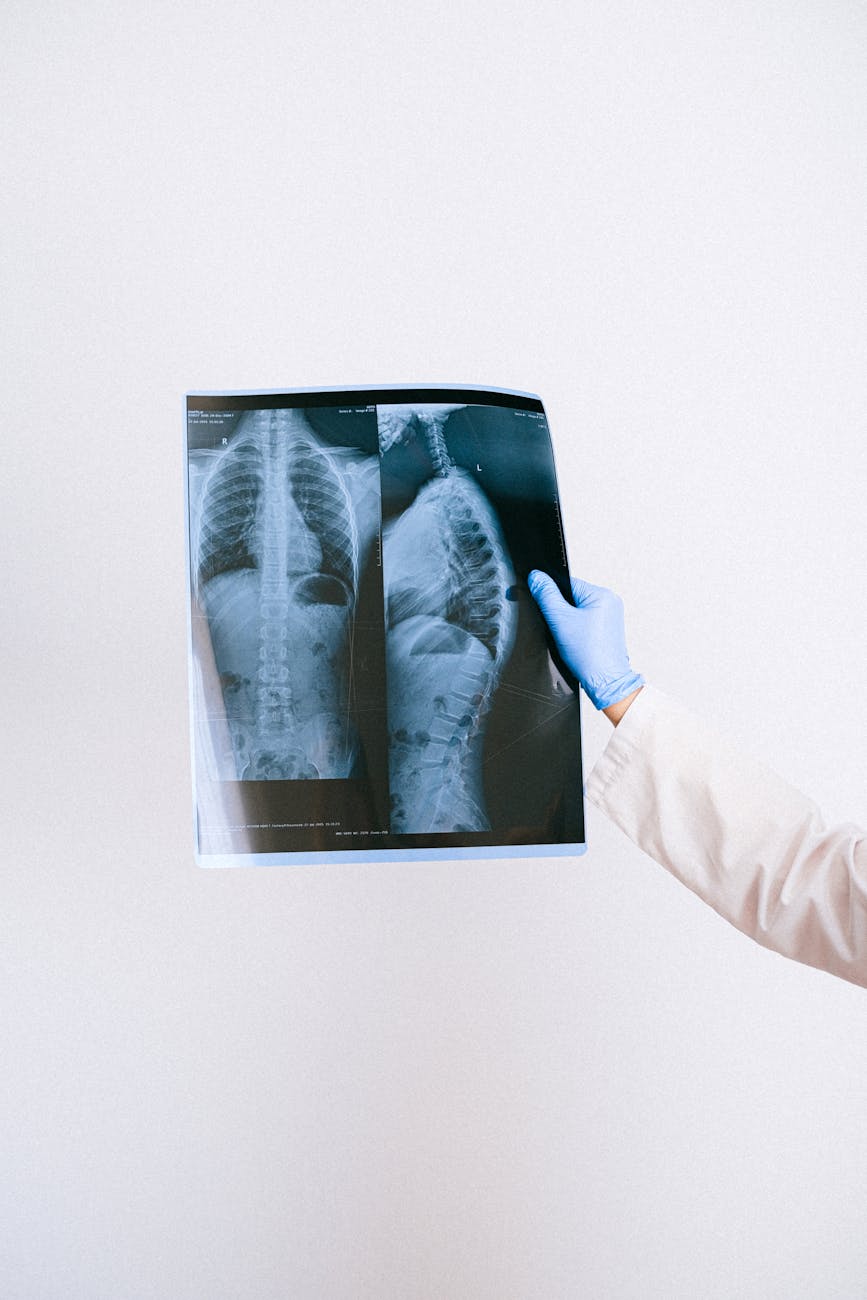
The EDS diagnosis in 2020 gave us context. After research and then requests for appropriate imaging, visceroptosis (internal prolapse of organs) was confirmed in 2021. Imaging showed internal collapse of my large colon, small intestine and stomach; a structural/anatomical issue which is not resolved by diet.
Visceroptosis of the bowel can cause kinking of thin walled structures such as blood vessels and nerves and thereby cause symptoms, which can be severe (Fikree et al, 2017, Coffin & Duboc, 2022). Visceroptosis can present with various gastrointestinal symptoms depending on its severity. The most common symptoms reported include constipation or diarrhoea, abdominal distention, abdominal pain. (Matias & Kronberga, 2021). ‘Due to its rarity, it often remains underdiagnosed potentially leading to sub-optimal treatment of patients, and ultimately significant morbidity and mortality’ (Matias & Kronberga, 2021).
Of note, ‘GI disorders may be divided into two categories: functional and structural’ (DePace et al, 2025). Visceroptosis is a structrual, rather than a functional GI condition (Fikree et al, 2017, DePace et al, 2025, Börsch et al, 2024).
In terms of why I developed visceroptosis, my consultant and myself suspect the long-term infection ‘set off’ EDS. High levels of inflammation are suspected to cause increased laxity in EDS patients. In a paper about Covid-19, Turner et al (2023) stated; ‘In those with Ehlers–Danlos syndrome (EDS) and hypermobility spectrum disorder (HSD), the high levels of in ammation present in Long COVID may result in increased connective tissue laxity, which, if left unmitigated, could cause visceroptosis’.
A radiologist noted changes in blood flow and I was referred to vascular surgery for further assessment. A duplex scan in 2021 confirmed mesenteric ischemia (lack of blood flow to the intestine) when I was in an upright position. Mesenteric ischema is the reduction of blood flow to the intestines. Chronic mesenteric ischemia is mesenteric ischemia over a perlonged period of time. Mesenteric ischaemia is ‘a severe and incapacitating disease, causing complaints of post-prandial pain, fear of eating…’ Terlouw et al. (2020).
The position dependant element is key. It seems the internal laxity causes my organs to fall interally, which effects the vascular system causing this to work less well.
Attempts to get diagnoses highlighted two common assumptions in the GI medical sphere; the assumption that GI symptoms are of functional origin (structural is not considered), and the assumption that that GI symptoms are of functional origins and that what the patient eats is the key and changing diet will resolve the situation. Both of these assumptions mean patients with structural issues will not get appropriate care, likely being told to eat different food.
All GI scans had revealed a consistently ‘significantly loaded colon’, and the GI diagnosis now explained why; the colon could not work properly.
The collapse of the colon and the reduction of blood supply to the intestines cause symptoms and a ‘loaded colon’.
 The EDS Lass